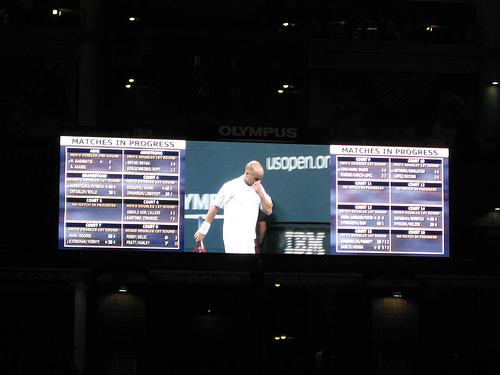
 So I loved the book, admired the heck out of the craft. But there were two things I would have pushed if I were editing it. One of the central themes of the book, demonstrated beautifully, was that in spite of being one of the best in the world, Agassi HATED tennis. Really hated it. If I were Moehringer, I would have pushed him harder on that: Clearly he hated the pressure of expectations. He hated the toll it took on his body. He hated the loneliness and isolation, the endless repetition and the way it consumed his life. But did he hate the way it felt when his body executed a virtuoso maneuver, when he was able to leap from the court, swing perfectly, meet the ball at the sweetest possible spot and drive it over 100 miles per hour to the exact square inch of the court he’d chosen? When he was able to do that over and over again? Did he hate the challenge of the intricate chess match? The way tennis forces you to live in the moment, experience the primal fullness of battle without severed limbs and rotting corpses?
In addition, he discusses all the ways in which he rebelled, hoping that he’d get him tossed out of the Florida tennis academy which felt like a prison to him. But Moehringer needed to make him address why it was that he didn’t do the one thing he could have done to insure getting tossed out. Play badly, lose consistently, stop getting better. If he hated tennis so much, that would have seemed like the easy, obvious way out, yet he couldn’t do it.
Whenever you have an apparent contradiction in a set of facts, that’s exactly where you should concentrate your questioning, and where the answers will prove the most revealing.
The related issue is: Agassi never addresses what it was that made him, someone who hated what he was doing, stand out above all the other driven and pushed prodigies in the game. What was it that made him special, even among the tennis elite? He never even tries to address that, which would have been fascinating.
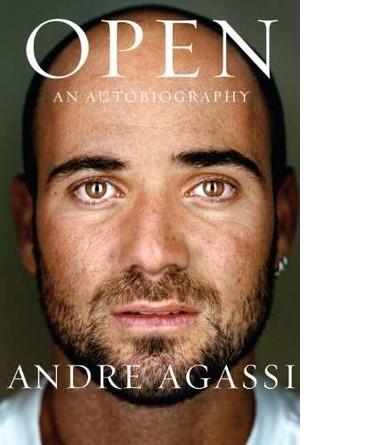 clude huge laundry lists of events and facts about a life just because, well, it’s a biography. Open includes plenty of facts that might have been groaningly boring, down to the minutiae of long ago and long forgotten sequences of strokes on an obscure tennis court somewhere. But every single one of them is included only if it makes a point in the larger argument of the story.


