The Flying Tigers: The Untold Story of the American Pilots Who Waged a Secret War Against Japan by Sam Kleiner, my latest book editing project to see publication, is out and already breaking into the top 500 on Amazon, an increasingly difficult feat in an increasingly crowded media world — especially for a first time author like Sam. Check it out here.
Author & Editor
News
Advice to a Young Writer
By on January 30, 2018 Leave a Comment
 Recently, I received an email from a young writer, still in high school, with a list of very smart questions about writing. They all were about things I’d thought about endlessly over the years, so I found I had more to say than I expected. It The Q-A follows:
Do you get writer’s block very often? If so, what do you do to try and write through it?
I think the first thing to know is that writer’s block isn’t some ailment akin to polio, a paralysis that is initiated by some outside force. It’s simply confronting the reality that identifying something novel and interesting to say, then saying it in the best possible way, is an extremely challenging enterprise. The “block” is really just recognition of the huge gap between a blank screen and the finished project. There’s a kind of shock at the realization of how much effort lies ahead, and that shock triggers panic. I guess you can equate writer’s block to a kind of tantrum, like a little kid might throw, rebelling when she’s ordered to clean up a room that is buried under weeks worth of scattered toys, dirty clothes, half-eaten snacks and general chaos. It’s. Just. Too. Hard. BOO HOO HOO. Underlying it all is a fear of failure. Every time you start to tentatively type a few words, your critical instinct tells you THEY STINK, and you just recoil from your own ineptitude and shut down. The solution to writer’s block is to shut down your gag reflex, to allow yourself to stink, understanding as Hemingway famously recognized, “The first draft of anything is [bad word goes here].” I used to have a headline set in type over my desk at work. It said, “DON’T WRITE, TYPE.” This reminded me that the purpose of the first draft is not to write something good, but to write something bad that you can then begin to work on to make better. Before Michelangelo could begin sculpting the statue of David, he had to have a big old block of marble he could begin chiseling away at. The first draft is your block of marble. Trying to really write what you intended to write without having an indifferent lump of first draft is like trying to sculpt David out of thin air. Can’t be done. So JUST TYPE. It doesn’t matter how bad it is. Disengage all your critical functions and just let your subconscious put whatever words out there it wants to. Then you start: You look at what is on the page and you think, what’s wrong with this? Why does it suck? and in answering those questions, you begin to figure out ways to make it better. Continue the process. Rinse, lather, repeat.
What I’ve found is I hate writing, but I actually love to rewrite. Identifying problems and fixing them can be challenging but fun, like a good puzzle.
How long does it usually take to write a full manuscript?
By full manuscript I assume you mean a book. I have written books under very different circumstances. My first book was written while I was working full time. I would wake up at 4:30 and spend two and a half hours working on the book before starting to get ready for work. Then I’d spend at least one day on the weekend working on it. It was exhausting, but I was able to finish the book in about a year that way. My last few books I was able to work on full time, but under different deadline circumstances. One book, on the Deepwater Horizon oil rig disaster, I had to report and write in just seven months because the publisher wanted to bring the book out at the one year anniversary of the explosion. I did it, but I had to work seven days a week, sometimes as much as 14 hours a day to get it done. I wrote my most recent book at a more leisurely rate and took about 18 months to do it. I have a friend and client who has been working on a book for five years (while doing other projects as well) and he still isn’t finished. A recent client wrote an excellent novel in the space of four months.
So I guess the answer to your question is that there is no one answer to this.
How long does your editing process normally take?
As someone who has been both an editor and a writer, I tend to write and edit simultaneously, and as mentioned above, this isn’t always a great thing. But when I am writing, each day I start by going back through what I had written previously and editing that, then going on into fresh territory. But if you mean how long does it take once I submit a manuscript to the publisher’s editor, the way it works is this: The first thing that happens is I have to wait for the editor’s response. This can take weeks or sometimes months, and it can be a frustrating wait. Once I get the editor’s notes I can usually go through the entire book dealing with edits, questions and suggestions in a week to a couple of weeks. This would be different, longer, of course, if the editor had very significant problems that required rethinking, reorganizing, or even re-reporting large sections of the book. After I have resubmitted my responses to the edits then I need to wait once again for the editor to go back through and react. Usually this doesn’t take long. Then, once we are both happy with the manuscript, it goes to the copy editors who will take a few weeks to go through the entire manuscript suggesting changes for spelling, grammar, syntax, consistency and in some cases, accuracy. Going back through those changes, approving them, rejecting them, or finding some other way to address their issues, takes a few days to a week usually. There can be other layers to the process. In some cases, the book will undergo a legal review from the publisher’s lawyers, which will require a conference call to discuss the areas of sensitivity, and in some cases rewriting a few key passages. In one case, when I ghost wrote a book for the Navy SEAL who shot Osama bin Laden, because it concerned missions that were conducted in secret, the entire manuscript had to be submitted to the Pentagon for clearance before publication. We heard nothing for six months, and then they returned the manuscript with some sections redacted. There was no way to discuss this with them, or argue about it. We just had to go through and try to rewrite in a way that compensated for the missing sections. But since we had changed the manuscript, we had to resubmit the changes for review. Fortunately that only took a few weeks before we were told they were accepted.
If your agent is expecting a novel is the deadline your own or does your agent set it?
The deadline isn’t set by the agent. The deadline is set in the contract you agree to with the publisher. As noted above, sometimes the publisher has a firm deadline in mind because of marketing considerations. Other times when you are negotiating the contract they will ask you when you think you will be done and use your own estimate as the deadline date. In those cases, it’s not unusual for writers to need and ask for an extension, and it’s usually granted, within reason.
How long did it take for you to get published? What is the publishing process like?
Since I was a newspaper reporter for 15 years before writing my first book, I of course had been published in newspapers and magazines all the time. But I’d always wanted to write a book and as I said, getting one published happened 15 years after getting my first newspaper job. It’s very exciting when you first sell a book — almost like a movie. You fly to New York, go to your publisher’s office. Your editor takes you to lunch and you discuss the book and the process. You get the advance check! It’s a lot of fun. Then comes the process of writing, which can also be exciting as you make progress, and agonizing as you lose your way and get stuck, or anxiety-provoking as you wrestle with difficult aspects of reporting and writing or simply fear you might fail. Then when you finish the manuscript and get your editor’s approval there’s another blast of excitement, which then turns into the alternately gratifying and tedious process of all the copy editing, proofing and writing of marketing materials. Then there’s the great excitement of getting a box of your books, followed by publication. At first it might seem very gratifying to do publicity for the book — interviews, speaking appearances. But after a while, you get sick of the repetition and promotion of the book you just spent a year or years of your life on. Most writers at some point during the repetitious book talks begin to HATE their book. But that is a temporary kind of blindness that thankfully wears off. And then there is the obsessive concern with your book’s reception — most books of course are not best sellers — but that doesn’t stop you from hoping it will be, and being disappointed when it isn’t. Ultimately, however well it sold, all my books have had surprisingly positive consequences that go on for years. That’s the thing about a book, once it exists, it lives in the world, for many years in some cases. I still get responses on a book I wrote almost 20 years ago that are very gratifying.
In your opinion, what is the hardest genre to write?
Whichever one I am writing at the time.
How do you come up with your ideas? Where does your inspiration come from?
I just follow my curiosity. Whatever intensely interests me and makes me want to know more might turn out to be my next subject. As a practical matter, once I became a known writer, people come to me with things they want me to write. But I still let my own interest be the guide in whether I accept the project. A book is far too much work to agree to do something that I am not fascinated by.
Do you read reviews of your book? If so, how much do they effect what and how you write?
I do read them, and they can be exhilarating or depressing, but they really have no effect on how I write. Over time I’ve come to understand that everyone reacts to books differently, and what one person is looking for in a book can be the exact opposite of what someone else is looking for. So you really can’t write to please everyone. It’s literally impossible. But you can write to satisfy your own conception. And that’s the only way to do it.
Do you send your work to other authors for peer review or does it just go to your editor?
I have a small group of close friends whose judgment I respect who I will send a book to for their opinion before sending it to my editor. Sometimes, I will send portions of a book about a highly technical subject to an expert in the field for comment.
What is your pet peeve when it comes to writing?
What ISN’T my pet peeve, might be a better question. My wife will tell you I’m a champion whiner when I’m writing. It’s just hard. And mostly it’s hard because I know what truly great writing can accomplish, and I’m always afraid of falling short. But I guess if you don’t have that fear, you might not push yourself to do the absolutely best book you are capable of.
Where Harry Potter Was Born
By on January 5, 2018 Leave a Comment
Acid Test’s Trip to the Movies
By on November 16, 2017 Leave a Comment
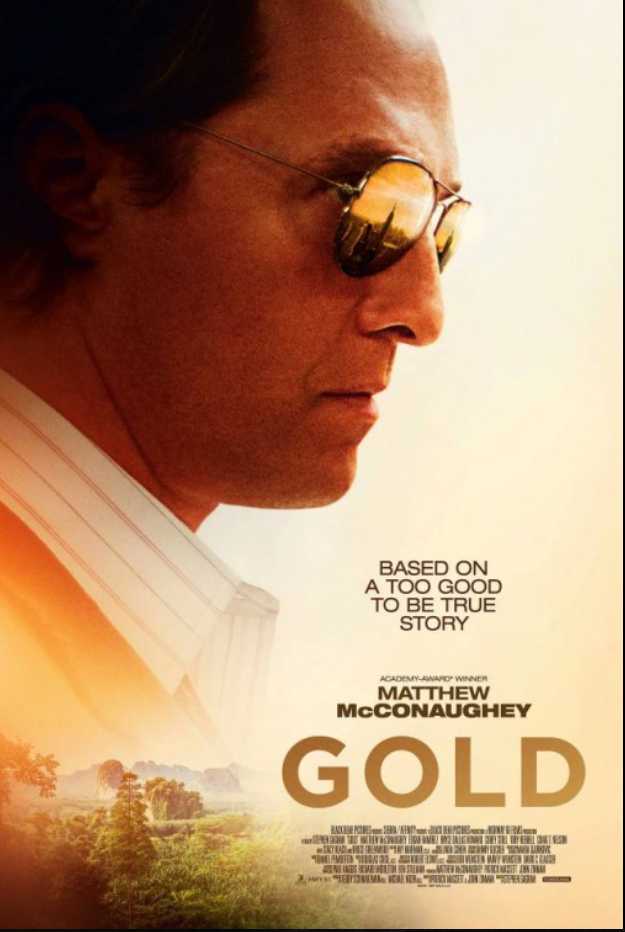
Just read the first draft of the screenplay based on Acid Test by the brilliant Patrick Massett.
It’s unspeakably cool to see the real life story morph into a feature film. Too soon to say when it will get produced, but the first hurdle is passed.
Standing Up for Freedom
By on September 29, 2017 Leave a Comment
 An English teacher recently sent me a column I wrote, and he had clipped (remember when you clipped things?), almost 30 years ago when a poll showed a majority of Americans supported a ban on burning the American flag as political protest. It is so oddly of the moment I thought I’d share:
FOR WHICH IT STANDS
TOM SHRODER, Herald Tropic Editor
On my desk is a photo of an anti-busing demonstration in Boston in the early ’70s: A white man, his face bent with rage, charges at a black man. In the white man’s hands is a pole he is about to thrust into the black man’s body as if it were a spear. On the end of this pole is the American flag.
About the same time the picture was taken I was sitting in a high-school classroom. Everyone else was standing. Some were reciting the pledge of allegiance. Not me. The football coach, who was monitor of this morning study hall, lunged down the aisle and grabbed me by the shoulder. He pulled me to my feet and dragged me to the principal’s office.
“Son,” he said, looking down at me from 6’3″, “Don’t you love this country?”
When you are 16, political expression is not often articulate. I couldn’t have said then what I now understand: yes, I love this country, but the flag to me is at best an ambiguous symbol for it — a symbol as much of the worst parts of America as of the best.
The flag is what the Seventh Cavalry carried as it thundered into Indian villages and slaughtered unarmed women and children. The flag was what Senator Joe McCarthy waved in his ruinous crusade against political liberals. The flag is what flew from the university buildings when the Governor of Mississippi stood in the doorway to block the passage of a black student. The flag is what mobs of decent Americans were “protecting” when they broke into a peaceful anti-war demonstration and beat the protesters bloody. The flag is what Richard Nixon tried, and nearly succeeded, to hide behind when
and nearly succeeded, to hide behind when his criminal activities and abuse of power were about to be revealed. The flag is what Lt. Calley thought he was serving when he massacred Vietnamese civilians at My Lai.
To me, the flag was more a symbol of the authority of government than of the ideals that limited that authority. It was a symbol that had been too often co-opted by bigots and car salesmen, too often used to bully and corral dissenters, to advance the selfish interests of the powerful at the expense of the powerless. Pledging allegiance to the flag because someone in authority ordered me to would have been the same thing as saying, “My country right or wrong.”
There is a symbol of our country I would never have hesitated to salute — the yellowed parchment of the Constitution. What were the odds that a set of abstract ideas, however noble or carefully drafted, could have survived two centuries of war and depression, the creation of unimaginable wealth and terrible power, the complete transformation of the Earth, the passions and jealousies of generations?
Yet they did. Until now, when — in the name of preventing a lunatic’s melodramatic manipulation of a piece of cloth — the majority of the American public appears willing to hack a gaping hole in the Constitution that may never be mended.
I have to believe that is not true. I have to believe that, polls aside, the vast majority of Americans will eventually understand that the Supreme Court’s decision to grant flag- burning first amendment protection was neither irresponsible nor radical, but the reasoned consequence of what is finest about America.
When I was 16, the best I could do when the coach asked me that question was this: “Yeah, I love this country. And one of the things I love about it is I don’t have to say the pledge of allegiance if I don’t want to.”
I got five hours of detention
My WaPo Travel Story On the Dordogne
By on August 5, 2017 Leave a Comment
A Medieval Plot
When our children were 11 and 9, young enough to still be entirely inside the family circle but old enough to remember, we splurged on a “once in a lifetime vacation” and rented a small farmhouse in southwestern France outside the village of Saint Cyprien. Each day our son and daughter would say goodbye to the donkey that hung around our patio and we’d climb in the tiny rented Renault and drive somewhere in the fairytale beautiful Dordogne River region. On one of these excursions we stumbled on the provincial city of Sarlat.
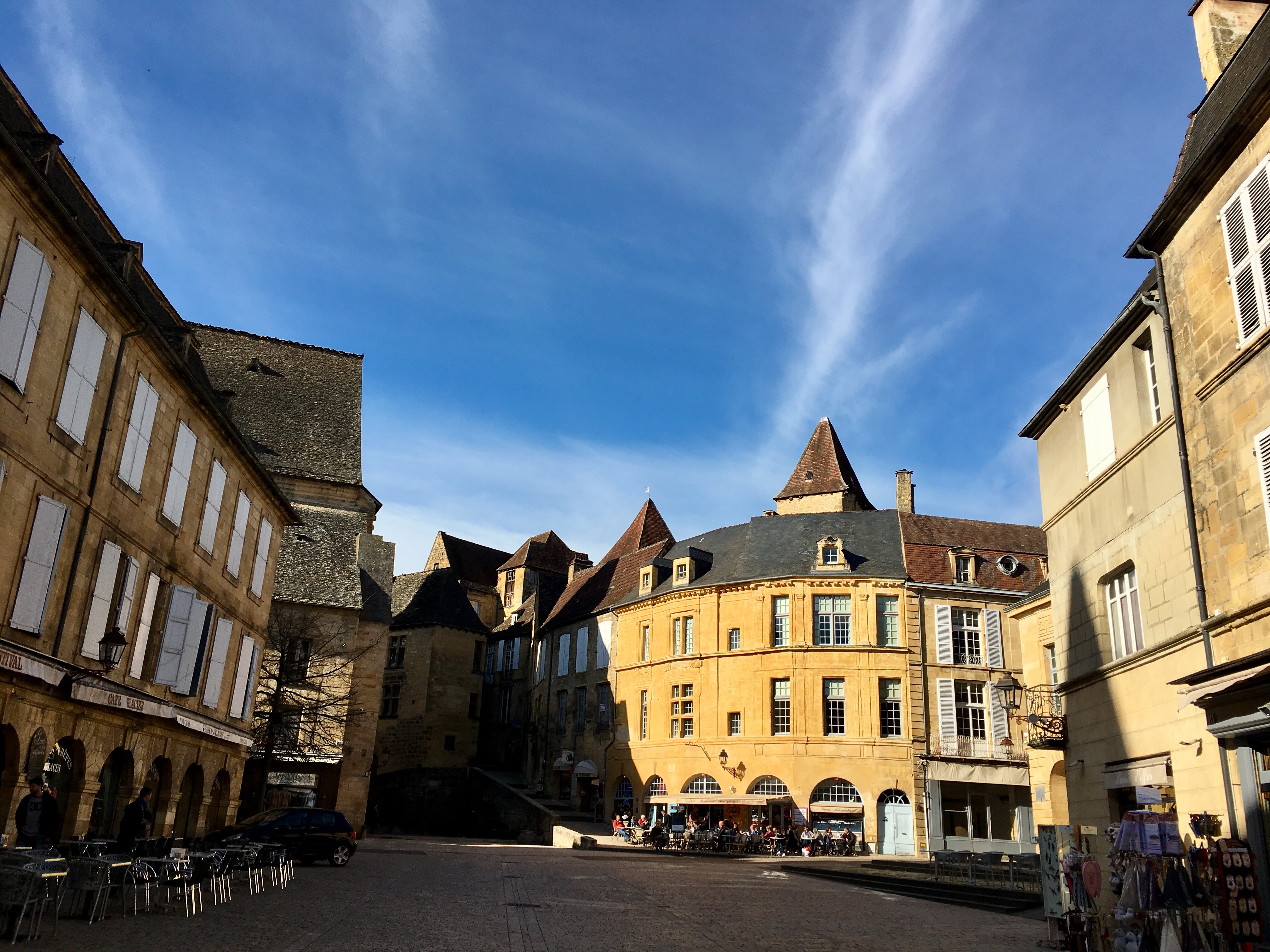
An accident of history and several centuries of stagnant economy had left Sarlat’s center virtually unchanged architecturally since the days of trebuchets and siege engines and knights galloping over drawbridges. City fathers had woken up one morning in the late 1950’s to realize that, leaning above narrow, winding cobblestone streets and alleys, they had one of the largest collections of intact medieval architecture in Europe. The French government subsidized restoration of the dilapidated ancient structures and the tastefully restored apartments (which half a millennium ago were the residences of wealthy noble families) began, slowly at first, to attract tourists.
Back in 2000, we wandered the town center feeling like time travelers. We bought wooden crusader swords for the kids and hand-spun earthernware pottery my wife and I still treasure. For dinner, we found a traditional French restaurant whose dining room, to our delight, extended into a natural cavern. Our children, now far flung and embarked on lives of their own, still remember that day 17 years later.
And so did my wife and I. Searching for a vacation destination suitably celebratory of our 30th anniversary, we thought of the magical moments on that long ago day trip and put “apartments to rent in Sarlat” into Google. On our first click, we scored: a recently renovated apartment in a 500-year-old building dead in the center of the old town. We instantly booked it, then reverse engineered the rest of the trip, beginning with a flight to Paris and a boutique apartment near the Place de la Republique for that first jet-lagged night. The next morning, after a glorious buffet breakfast I would estimate at about four thousand calories, we Ubered to the Austerlitz train station and hopped on a TGV express train to Brive, a relaxing four-hour sprint (average speed 75 mph) through the unrelentingly interesting industrial and agricultural landscapes south of the capital. In Brive, we picked up a car a block from the train station and drove the final hour to Sarlat.
As soon as we crossed into the department of Dordogne, the landscape took on stunning beauty even fond memory hadn’t done justice. Fields undulated in a green so intense it vibrated. Hilltops gave way on vistas of sunburst-yellow rapeseed blossoms stretching to the horizon. Every structure, from manor house to farm outbuilding, was made of native golden limestone blocks that seemed to glow in the sunshine. Castles, both ruined and restored, appeared around every curve. Chateaus astraddle vertiginous, cave-pocked limestone cliffs attempted to outdo one another in the beauty and extent of their gardens. It didn’t hurt that the local specialties are foie gras, Bergerac wine and farm fresh produce, all available in an abundance of roadside markets.
Our apartment, up two flights of winding stone steps, had been stripped to the half-timbered walls, modernized and decorated in restrained Pottery Barn. Large windows looked out over the ancient moss-covered rooftops of layered slate. Just out the front door a narrow alley opened on a Gothic cathedral and the main plaza, ringed by cafes and restaurants. On Wednesdays and Saturdays, the plaza and the main streets of the town sprouted the goody-crammed stalls of the town market. In the old town, and the typical small French provincial city surrounding it, restaurants were abundant, though somewhat limited in variety. Most provided variations on the theme of classic French cuisine with a local accent. On the outskirts of town (still easily walkable from the center) we discovered an absolutely authentic Dutch pankoeken place (a hearty low country take on crepes) and a cozy neighborhood pizzeria.
Though it was stimulating to be in the middle of such history, the smallness of the town – it’s photo-ready back streets could be explored in an afternoon – made us wonder at first about the decision to spend two weeks there. But as we quickly realized, the best thing about locating in Sarlat was leaving it. A 30- to 45-minute drive in any direction brought us to destinations that were each more stunning than the last. Any one of them could have been the highlight of a trip. And forget the destinations. The drives themselves were breathtaking. This part of France apparently has no strip malls, gated housing developments, or major highways. All roads are winding, rolling two-lane forays through the pages of a fairytale. I felt daring driving at 45 miles per hour on these byways while the locals lined up behind me impatiently waiting to pass. But more often than not, we had the roads to ourselves as they narrowed into single lane tracks (more than once we had to back up to let another car squeeze past) through increasingly tiny villages and wooded hills. We often found it hard to believe these rustic tracks were leading to major tourist destinations, but we were never disappointed.
To the south, built into the almost vertical cliffs rising from the lazily curving Dordogne River, is Roque de Gageac, another town of medieval origin whose roads were more like mountain goat tracks. If you have the respiratory fortitude to climb them you are rewarded by views of birds gliding currents along the soaring cliffs above, and the pastoral river valley unwinding between peaked turrets below.
A line of restaurants run along the river’s bank, and during spring and summer you can buy passage on an hour-long guided sightseeing trip in a traditional riverboat called a gabarre. The adventurous can rent canoes to paddle down one of the more spectacular river passages in the world, with a half dozen castles looming on hilltops high above and caves inhabited since prehistory poking into the cliffs cantilevered over the water.
Or you can drive another few minutes upriver to the phenomenal bastide town of Domme, a naturally fortified village built in the 13th Century on a steep-sided hilltop nearly 800 feet above the river. Domme was fought over repeatedly during the Hundred Years’ War between the French and English, and it’s easy to see why when you consider the view. The main part of the village lies at the very top of the hill along the edge of a sheer cliff commanding sightlines along the entire valley. We stopped for lunch at a small café across from the town hall on the market square where locals once gathered to watch public executions. A modest looking tourist office in the middle of the square is built above the entrance to a large cave system where residents hid during the frequent invasions.
A few minutes drive to the west brings you to the gates of the Chateau de Beynac, the castle of your childhood fantasies, and the setting for a raft of movies, including the romance Ever After and the epic Jeanne D’Arc. There you can tromp around the mostly restored ramparts and imagine barons and counts gathering in the great hall by a fireplace you could torch a redwood in.
East again another bit further brings you to the 18th Century Chateau de Marqueyssac and its 19th Century gardens, restored impeccably at the end of the 20th Century and stretching along the clifftop for a kilometer. The garden paths, meandering through varied with water features and knockout overlooks, doubles as a hike up and down steep inclines through rapidly changing landscapes — from impeccably manicured shrubs and flowers to romantically wild forest. On one cliff edge, overlooking across a wide valley of picturesque farm fields the Beynac chateau, an outdoor bistro served, among other items, wine and salad of insanely fresh local ingredients and toast topped with melted goat cheese. It was so good, we came back twice.
A slightly longer trek just over an hour to the east through countryside unpopulated but for a few farm villages of a half dozen stone houses, brought us to the Gouffre de Padirac, a sinkhole about ten-stories deep that leads into a vast cave system of spectacular stalagmites and stalactites run through by an underground river. The first part of the tour pairs a handful of visitors with their own boatman who poles downriver to the first cataract – a mini falls rushing over the water-smoothed rock floor. There you disembark to climb through a half mile of great halls several hundred feet tall and filled with giant mineral formations still growing with each drip of water.
To the north is the town of Les Eyzies-de-Tayac-Sireuil which bends along the Vézère River, where the 30,000-year-old skeletons of Cro-Magnon man, our first Homo Sapiens cousin, were discovered in the mid 19th Century. The quaint town is still situated among dozens of caves, many of which have prehistoric wall paintings. The most magnificent cave art is in the Lascaux cave, another 28 minutes up the road in the town of Montignac. When it became clear that endless streams of visitors were causing the paintings to decay, an identical replica of the cave and the art were created for visitors to enjoy, while the real thing remained sealed off to all but researchers. The replica, Lascaux II, is so authentic, it provoked the same awed reverence and thoughts about the nature of humankind the original would have.
On the way back to Sarlat from Les Eyzies we noticed a plain sign along the road with an arrow pointing to the Château de Commarque. By this point, castles popping up unexpectedly was a common occurrence. In fact, they don’t even always have signs. On the way to the Padirac cave we took a wrong turn and found ourselves on a farm road aiming toward a hill with two ruined castle towers sitting atop it without any commemoration other than a blunt private property warning.
But here was one inviting us to visit. We turned off the road and followed a series of ever smaller roads until we were sure we’d made a wrong turn somewhere. But just as we were about to give up we came to a dirt parking lot in a grove of trees with an arrow pointing down a trail through the woods. After about 700 meters the woods ended at a line of exposed limestone reaching to the sky and stretching away into an open meadow. The chateau rose dramatically to the left, looming atop the rocks, while another chateau, this one private, stood out among the heights on the other side of the valley, not so much as a road between them. We paid a nominal admission and climbed up the escarpment all the way to the top where there was a wide array of ruins, from a stone chapel to a soldiers’ barracks and ultimately to the 12th Century keep. By the end of the 20th Century, Commarque was a forgotten ruin, almost entirely toppled, buried, or reclaimed by the forest, until a direct descendent of the original lords of the castle began an ambitious private-public restoration of the chateau and exploration of a cave beneath it, filled with prehistoric paintings and sculpture.
Between its bottomless history, its stark beauty and remarkable isolation, that visit to Commarque is something I’ll never forget. Coming on it by accident only made it that much better, and ultimately, those happy accidents defined our stay. On one of our longer day trips we were heading back to Sarlat but still an hour out and in desperate need of a rest stop. But this wasn’t I-95 we were on – unless we wanted to take our chances going au naturel in a field we seemed to be out of luck. Then we came to a crossroads and a little town, picturesque but deserted seeming, of about a dozen two-story stone and stucco buildings shoulder to shoulder along one main street that looked like a set for some WWII movie. At one end was a gothic church spire, and at the other another bland two-story structure with a sign indicating that this was “La Bonne Franquette” restaurant. We parked and peaked in through the open doors to a dimly lit dining room with a handful of tables, all empty but one. We were dubious, but didn’t feel we could ask to use the facilities without ordering something to eat. As we sat the hostess came over and asked if we wouldn’t rather eat out on the terrace. It was more of a vacant lot beneath a 200-year-old flowering tree whose gnarled trunk and branches had been trained to twine over a trellis. Across the lot, looming above another building, was the church steeple.
A teenage boy, no doubt the son of the hostess, waited on us, obviously excited to serve such exotic customers and blushingly try out a few sentences of English. Though there was only red meat on the menu, our literal garçon persuaded the chef to prepare fish, which to our shock came out of the kitchen fresh and flaky and served in a delicious sauce, along with tenderly steamed fresh vegetables and an excellent salad. The sun shone, the church bell sounded, and even though it was mid-afternoon, we couldn’t turn down the coffee. We just wanted to make the moment last.
When our children were 11 and 9, young enough to still be entirely inside the family circle but old enough to remember, we splurged on a “once in a lifetime vacation” and rented a small farmhouse in southwestern France outside the village of Saint Cyprien. Each day our son and daughter would say goodbye to the donkey that hung around our patio and we’d climb in the tiny rented Renault and drive somewhere in the fairytale beautiful Dordogne River region. On one of these excursions we stumbled on the provincial city of Sarlat.
An accident of history and several centuries of stagnant economy had left Sarlat’s center virtually unchanged architecturally since the days of trebuchets and siege engines and knights galloping over drawbridges. City fathers had woken up one morning in the late 1950’s to realize that, leaning above narrow, winding cobblestone streets and alleys, they had one of the largest collections of intact medieval architecture in Europe. The French government subsidized restoration of the dilapidated ancient structures and the tastefully restored apartments (which half a millennium ago were the residences of wealthy noble families) began, slowly at first, to attract tourists.
Back in 2000, we wandered the town center feeling like time travelers. We bought wooden crusader swords for the kids and hand-spun earthernware pottery my wife and I still treasure. For dinner, we found a traditional French restaurant whose dining room, to our delight, extended into a natural cavern. Our children, now far flung and embarked on lives of their own, still remember that day 17 years later.
And so did my wife and I. Searching for a vacation destination suitably celebratory of our 30th anniversary, we thought of the magical moments on that long ago day trip and put “apartments to rent in Sarlat” into Google. On our first click, we scored: a recently renovated apartment in a 500-year-old building dead in the center of the old town. We instantly booked it, then reverse engineered the rest of the trip, beginning with a flight to Paris and a boutique apartment near the Place de la Republique for that first jet-lagged night. The next morning, after a glorious buffet breakfast I would estimate at about four thousand calories, we Ubered to the Austerlitz train station and hopped on a TGV express train to Brive, a relaxing four-hour sprint (average speed 75 mph) through the unrelentingly interesting industrial and agricultural landscapes south of the capital. In Brive, we picked up a car a block from the train station and drove the final hour to Sarlat.
As soon as we crossed into the department of Dordogne, the landscape took on stunning beauty even fond memory hadn’t done justice. Fields undulated in a green so intense it vibrated. Hilltops gave way on vistas of sunburst-yellow rapeseed blossoms stretching to the horizon. Every structure, from manor house to farm outbuilding, was made of native golden limestone blocks that seemed to glow in the sunshine. Castles, both ruined and restored, appeared around every curve. Chateaus astraddle vertiginous, cave-pocked limestone cliffs attempted to outdo one another in the beauty and extent of their gardens. It didn’t hurt that the local specialties are foie gras, Bergerac wine and farm fresh produce, all available in an abundance of roadside markets.
Our apartment, up two flights of winding stone steps, had been stripped to the half-timbered walls, modernized and decorated in restrained Pottery Barn. Large windows looked out over the ancient moss-covered rooftops of layered slate. Just out the front door a narrow alley opened on a Gothic cathedral and the main plaza, ringed by cafes and restaurants. On Wednesdays and Saturdays, the plaza and the main streets of the town sprouted the goody-crammed stalls of the town market. In the old town, and the typical small French provincial city surrounding it, restaurants were abundant, though somewhat limited in variety. Most provided variations on the theme of classic French cuisine with a local accent. On the outskirts of town (still easily walkable from the center) we discovered an absolutely authentic Dutch pankoeken place (a hearty low country take on crepes) and a cozy neighborhood pizzeria.
Though it was stimulating to be in the middle of such history, the smallness of the town – it’s photo-ready back streets could be explored in an afternoon – made us wonder at first about the decision to spend two weeks there. But as we quickly realized, the best thing about locating in Sarlat was leaving it. A 30- to 45-minute drive in any direction brought us to destinations that were each more stunning than the last. Any one of them could have been the highlight of a trip. And forget the destinations. The drives themselves were breathtaking. This part of France apparently has no strip malls, gated housing developments, or major highways. All roads are winding, rolling two-lane forays through the pages of a fairytale. I felt daring driving at 45 miles per hour on these byways while the locals lined up behind me impatiently waiting to pass. But more often than not, we had the roads to ourselves as they narrowed into single lane tracks (more than once we had to back up to let another car squeeze past) through increasingly tiny villages and wooded hills. We often found it hard to believe these rustic tracks were leading to major tourist destinations, but we were never disappointed.
To the south, built into the almost vertical cliffs rising from the lazily curving Dordogne River, is Roque de Gageac, another town of medieval origin whose roads were more like mountain goat tracks. If you have the respiratory fortitude to climb them you are rewarded by views of birds gliding currents along the soaring cliffs above, and the pastoral river valley unwinding between peaked turrets below.
A line of restaurants run along the river’s bank, and during spring and summer you can buy passage on an hour-long guided sightseeing trip in a traditional riverboat called a gabarre. The adventurous can rent canoes to paddle down one of the more spectacular river passages in the world, with a half dozen castles looming on hilltops high above and caves inhabited since prehistory poking into the cliffs cantilevered over the water.
Or you can drive another few minutes upriver to the phenomenal bastide town of Domme, a naturally fortified village built in the 13th Century on a steep-sided hilltop nearly 800 feet above the river. Domme was fought over repeatedly during the Hundred Years’ War between the French and English, and it’s easy to see why when you consider the view. The main part of the village lies at the very top of the hill along the edge of a sheer cliff commanding sightlines along the entire valley. We stopped for lunch at a small café across from the town hall on the market square where locals once gathered to watch public executions. A modest looking tourist office in the middle of the square is built above the entrance to a large cave system where residents hid during the frequent invasions.
A few minutes drive to the west brings you to the gates of the Chateau de Beynac, the castle of your childhood fantasies, and the setting for a raft of movies, including the romance Ever After and the epic Jeanne D’Arc. There you can tromp around the mostly restored ramparts and imagine barons and counts gathering in the great hall by a fireplace you could torch a redwood in.
East again another bit further brings you to the 18th Century Chateau de Marqueyssac and its 19th Century gardens, restored impeccably at the end of the 20th Century and stretching along the clifftop for a kilometer. The garden paths, meandering through varied with water features and knockout overlooks, doubles as a hike up and down steep inclines through rapidly changing landscapes — from impeccably manicured shrubs and flowers to romantically wild forest. On one cliff edge, overlooking across a wide valley of picturesque farm fields the Beynac chateau, an outdoor bistro served, among other items, wine and salad of insanely fresh local ingredients and toast topped with melted goat cheese. It was so good, we came back twice.
A slightly longer trek just over an hour to the east through countryside unpopulated but for a few farm villages of a half dozen stone houses, brought us to the Gouffre de Padirac, a sinkhole about ten-stories deep that leads into a vast cave system of spectacular stalagmites and stalactites run through by an underground river. The first part of the tour pairs a handful of visitors with their own boatman who poles downriver to the first cataract – a mini falls rushing over the water-smoothed rock floor. There you disembark to climb through a half mile of great halls several hundred feet tall and filled with giant mineral formations still growing with each drip of water.
To the north is the town of Les Eyzies-de-Tayac-Sireuil which bends along the Vézère River, where the 30,000-year-old skeletons of Cro-Magnon man, our first Homo Sapiens cousin, were discovered in the mid 19th Century. The quaint town is still situated among dozens of caves, many of which have prehistoric wall paintings. The most magnificent cave art is in the Lascaux cave, another 28 minutes up the road in the town of Montignac. When it became clear that endless streams of visitors were causing the paintings to decay, an identical replica of the cave and the art were created for visitors to enjoy, while the real thing remained sealed off to all but researchers. The replica, Lascaux II, is so authentic, it provoked the same awed reverence and thoughts about the nature of humankind the original would have.
On the way back to Sarlat from Les Eyzies we noticed a plain sign along the road with an arrow pointing to the Château de Commarque. By this point, castles popping up unexpectedly was a common occurrence. In fact, they don’t even always have signs. On the way to the Padirac cave we took a wrong turn and found ourselves on a farm road aiming toward a hill with two ruined castle towers sitting atop it without any commemoration other than a blunt private property warning.
But here was one inviting us to visit. We turned off the road and followed a series of ever smaller roads until we were sure we’d made a wrong turn somewhere. But just as we were about to give up we came to a dirt parking lot in a grove of trees with an arrow pointing down a trail through the woods. After about 700 meters the woods ended at a line of exposed limestone reaching to the sky and stretching away into an open meadow. The chateau rose dramatically to the left, looming atop the rocks, while another chateau, this one private, stood out among the heights on the other side of the valley, not so much as a road between them. We paid a nominal admission and climbed up the escarpment all the way to the top where there was a wide array of ruins, from a stone chapel to a soldiers’ barracks and ultimately to the 12th Century keep. By the end of the 20th Century, Commarque was a forgotten ruin, almost entirely toppled, buried, or reclaimed by the forest, until a direct descendent of the original lords of the castle began an ambitious private-public restoration of the chateau and exploration of a cave beneath it, filled with prehistoric paintings and sculpture.
Between its bottomless history, its stark beauty and remarkable isolation, that visit to Commarque is something I’ll never forget. Coming on it by accident only made it that much better, and ultimately, those happy accidents defined our stay. On one of our longer day trips we were heading back to Sarlat but still an hour out and in desperate need of a rest stop. But this wasn’t I-95 we were on – unless we wanted to take our chances going au naturel in a field we seemed to be out of luck. Then we came to a crossroads and a little town, picturesque but deserted seeming, of about a dozen two-story stone and stucco buildings shoulder to shoulder along one main street that looked like a set for some WWII movie. At one end was a gothic church spire, and at the other another bland two-story structure with a sign indicating that this was “La Bonne Franquette” restaurant. We parked and peaked in through the open doors to a dimly lit dining room with a handful of tables, all empty but one. We were dubious, but didn’t feel we could ask to use the facilities without ordering something to eat. As we sat the hostess came over and asked if we wouldn’t rather eat out on the terrace. It was more of a vacant lot beneath a 200-year-old flowering tree whose gnarled trunk and branches had been trained to twine over a trellis. Across the lot, looming above another building, was the church steeple.
A teenage boy, no doubt the son of the hostess, waited on us, obviously excited to serve such exotic customers and blushingly try out a few sentences of English. Though there was only red meat on the menu, our literal garçon persuaded the chef to prepare fish, which to our shock came out of the kitchen fresh and flaky and served in a delicious sauce, along with tenderly steamed fresh vegetables and an excellent salad. The sun shone, the church bell sounded, and even though it was mid-afternoon, we couldn’t turn down the coffee. We just wanted to make the moment last.
Thoughts on Making “The List”
By on May 3, 2017 Leave a Comment
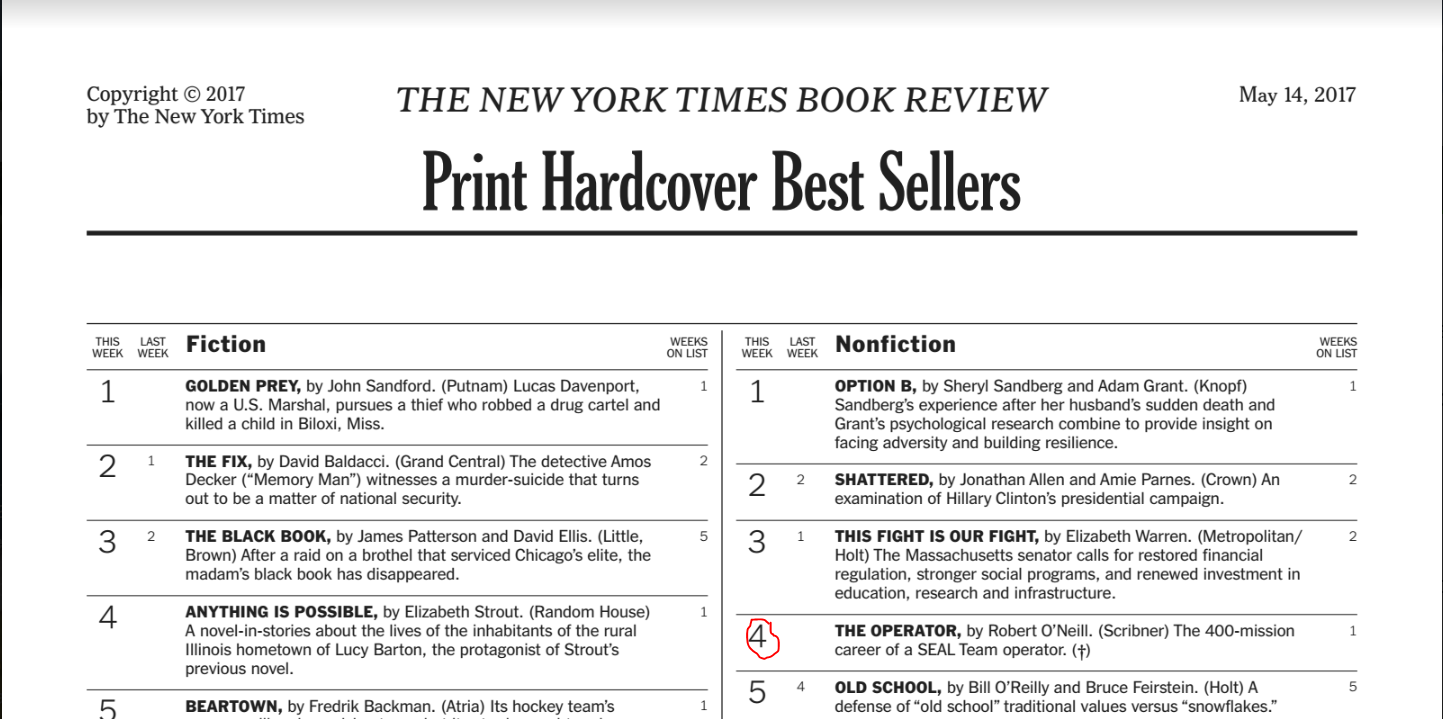 The Operator will debut at number three on the New York Times bestseller list (combined hardcover and ebook nonfiction; it’s no. 4 on the hardcover list) of May 14. Having a book I wrote, but have no cover credit for, make such an impressive showing obviously produces mixed feelings. Mostly I’m thrilled for the success — I’ve always wanted to write a bestseller — but there is a tinge of, not regret, but wistfulness I guess … If only.
But here’s the reality: It’s Robert O‘Neill’s remarkable life, and his impressions of that life, that made this a book that everyone would notice, and want to read. I was paid a fair sum to do the writing, and Rob couldn’t have been a better subject. I didn’t know this when I signed on, but he was smart, funny as hell, honest and unafraid to put himself out there. He also has an incredible memory. Not only that: he’d taken detailed notes on what he’d gone through, beginning with his mind-blowing stint at BUD/S, the infamous SEAL tryouts.
It was nonstop fascinating to work on this book, and really absorbing to try to inhabit Rob’s world and write in his voice.
The four-month Orwellian ordeal of getting the book vetted by the Department of Defense was no picnic, but other than that, the project was a joy for me, and I only continually gained respect for all involved, primarily Rob, his (and my) agent Howard Yoon of RossYoon agency, and Scribners editor Rick Horgan, who is something of a genius in his own right.
Finally, I’m just thrilled that so many people are, and will be reading it.
The Operator is now in operation!
By on April 25, 2017 Leave a Comment
 My recent ghostwriting project, The Operator: Firing the Shots That Killed bin Laden and My Years As a SEAL Team Warrior, published today, April 25, and as of noon it was #4 on Amazon bestsellers list. Robert O’Neill is a smart, articulate guy with a one-of-a-kind story to tell. You can read the first chapter here, just click on “Look Inside”. Check it out.
My Top Secret Mission
By on January 31, 2017 Leave a Comment
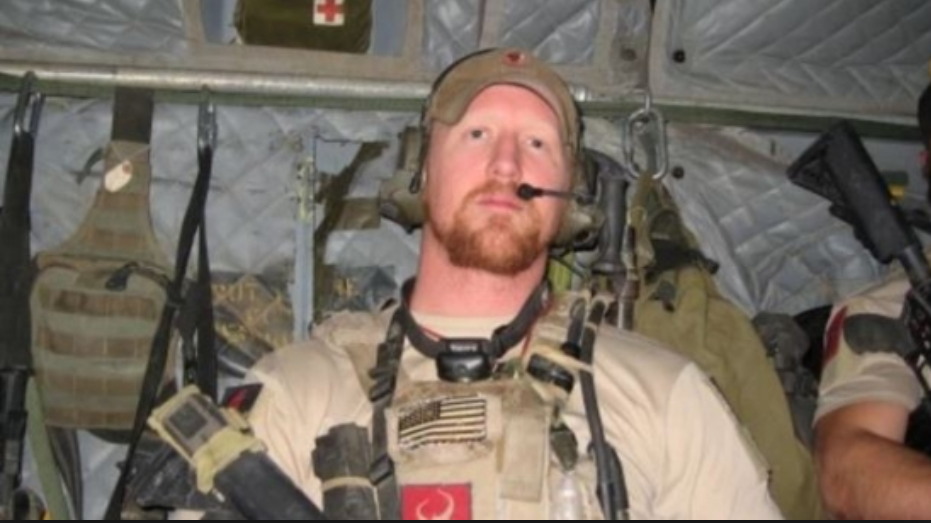 I haven’t been able to talk about this for the past year, but I’m very excited to say that the ghostwriting project I took on last January is finally coming to fruition. The Operator, the very personal story of Robert J. O’Neill’s 400-plus Navy SEAL combat missions, will be released by Scribner April 25. Rob was the SEAL Team shooter who put two bullets in Bin Laden’s forehead. He was also present on missions to rescue Capt. Phillips from the Somali pirates and Marcus Luttrell, of “Lone Survivor” fame. How he became THAT GUY is an amazing, almost unbelievable story, and Rob was able to relate it to me with such detail, insight and humor that the book is far more than a series of tense firefights — though there’s that too. It reveals a world of warriors most of us could have never imagined. Honestly, if I hadn’t written it, I’d read it in a fever.
USA Today Reviews Most Famous Writer Who Ever Lived
By on October 16, 2016 Leave a Comment


